


Few stretches of California coast deliver ocean wildlife encounters as consistently as Monterey Bay. The reason is geological: a submarine canyon drops to depths of more than two miles just offshore, channeling cold, nutrient-saturated water toward the surface in a process called upwelling. That upwelling feeds dense aggregations of krill and forage fish, which in turn draw humpback whales, blue whales, gray whales, orca, and an extraordinary cast of supporting sea life into waters that are, by open-ocean standards, practically at your feet. Monterey Bay whale watching is not a gamble; it is one of the most reliable marine wildlife experiences on the West Coast, available to anyone willing to show up with the right timing and a warm outer layer. Planning ahead transforms a good outing into a remarkable one: knowing which season favors which species, where tours depart, and what to pack puts you on the water with confidence rather than guesswork.
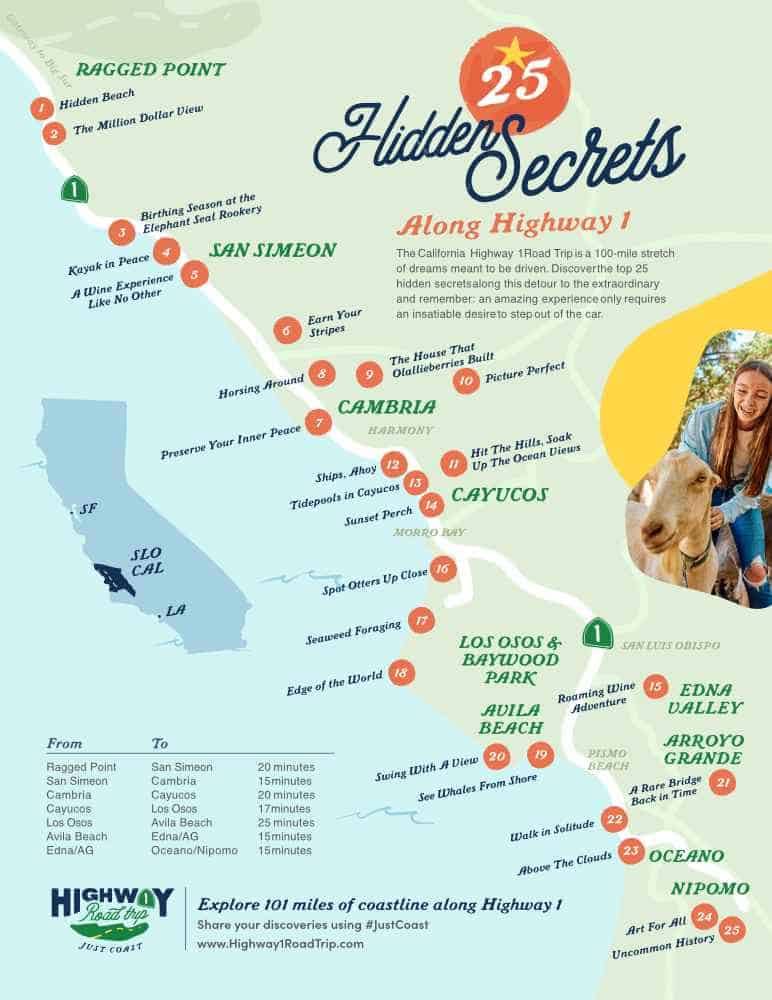
This guide covers it all. And if you want to extend your wildlife journey south into quieter territory, the Highway 1 corridor offers its own extraordinary whale watching and coastal wildlife experiences well worth building into the trip.
Quick Trip Planner
A Monterey Bay whale watching tour typically runs three to four hours from check-in to return, enough time for the crew to reach productive feeding and migration grounds, spend meaningful time alongside animals, and bring everyone back to shore in time for a bowl of chowder. Budget accordingly, and give yourself a buffer rather than scheduling something tight immediately after. Morning departures are worth prioritizing: offshore winds tend to build through the afternoon, and calendar early-day conditions generally translate to smoother water, better visibility, and a more comfortable ride for everyone on the boat. You have two primary departure points:
- Old Fisherman’s Wharf in Monterey sits at the center of a walkable waterfront neighborhood where you can pair the trip with lunch, a harbor stroll, and easy access to the rest of downtown Monterey’s best experiences.
- Moss Landing, roughly 25 miles north along the bay, offers a grittier, working-harbor atmosphere and is favored by some operators for its proximity to the canyon’s edge.
Note: Whichever you choose, plan a “park once” day and arrive early, head out on the water, and spend your return hours on foot rather than fighting afternoon traffic between stops.
What You Can See by Season
The Monterey Bay whale watching season doesn’t really have an “off” switch. Different species rotate through the bay across the calendar, which means there is almost always something substantial to look for.
Gray whales are the winter and early spring draw, passing through on their southward migration toward Baja California breeding lagoons from roughly December into January, then returning northbound from February through April on the journey back to Arctic feeding grounds. These are long-distance travelers built for endurance, and the close-to-shore routing of their migration puts them within reliable viewing distance of both tour boats and coastal overlooks.
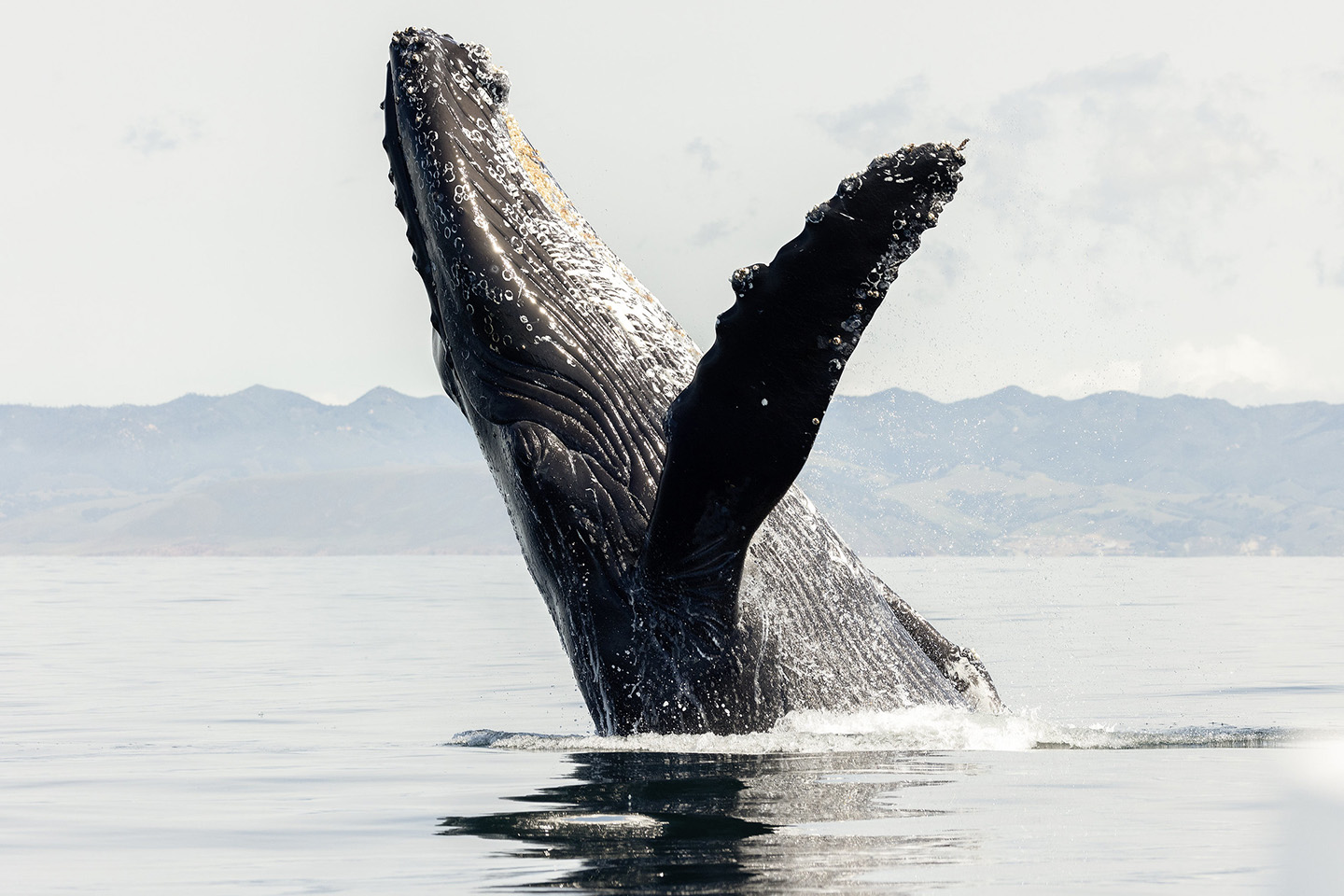
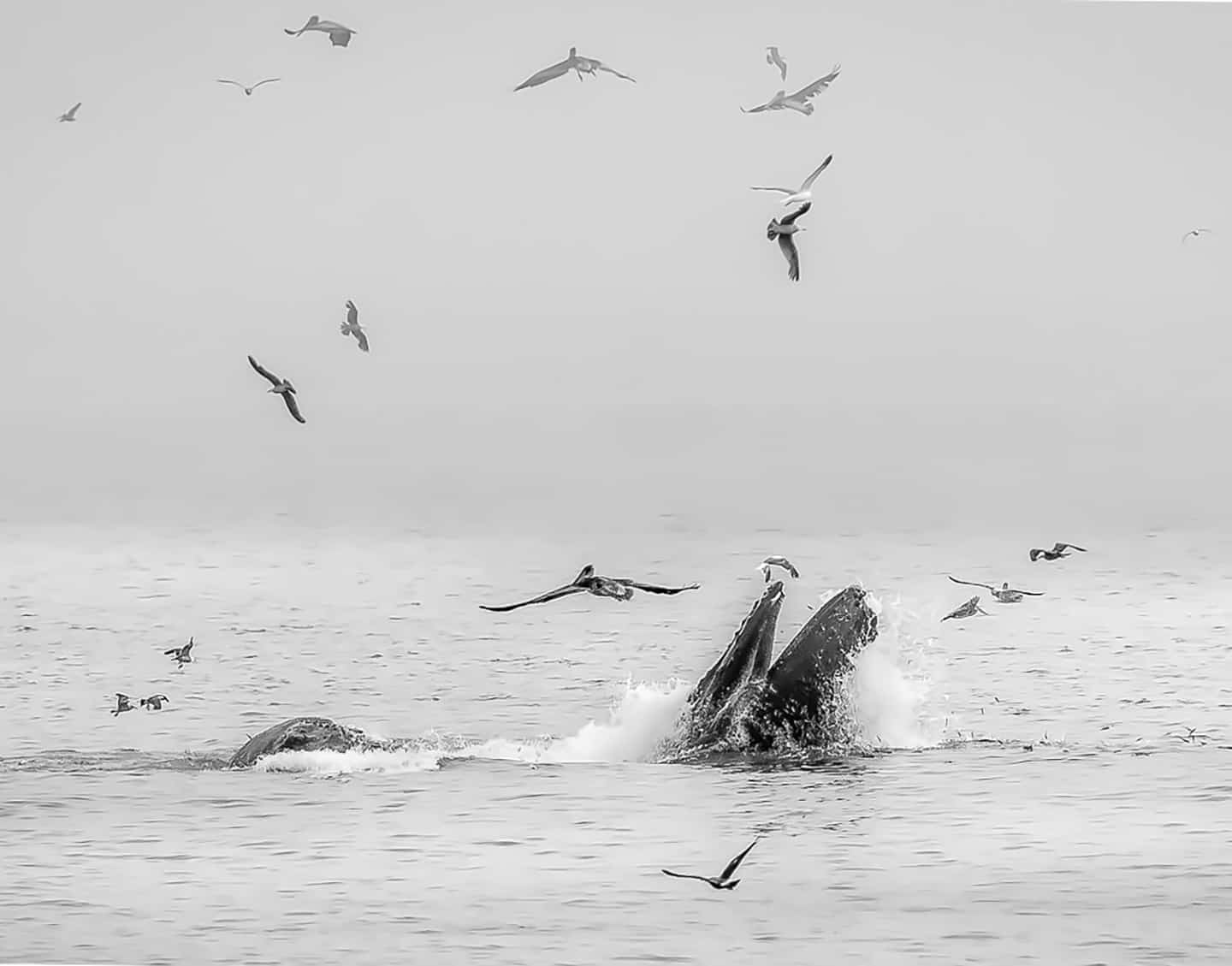
Humpback whales claim the spring-through-fall window, arriving as upwelling intensifies and krill concentrations build. They are the acrobatic headliners of the bay, known for bubble-net feeding, energetic breaching, and a commanding physical presence that makes even a distant surfacing feel significant.
Blue whales, the largest animals ever to have lived on Earth, are the late-summer and early-fall highlight in productive years, congregating over the canyon to feed on dense krill patches.
Dolphins are present year-round, often in large, fast-moving groups that surface alongside the hull with stunning coordination. Orca sightings are possible in any season but never predictable. Think of them as the rare reward for showing up.
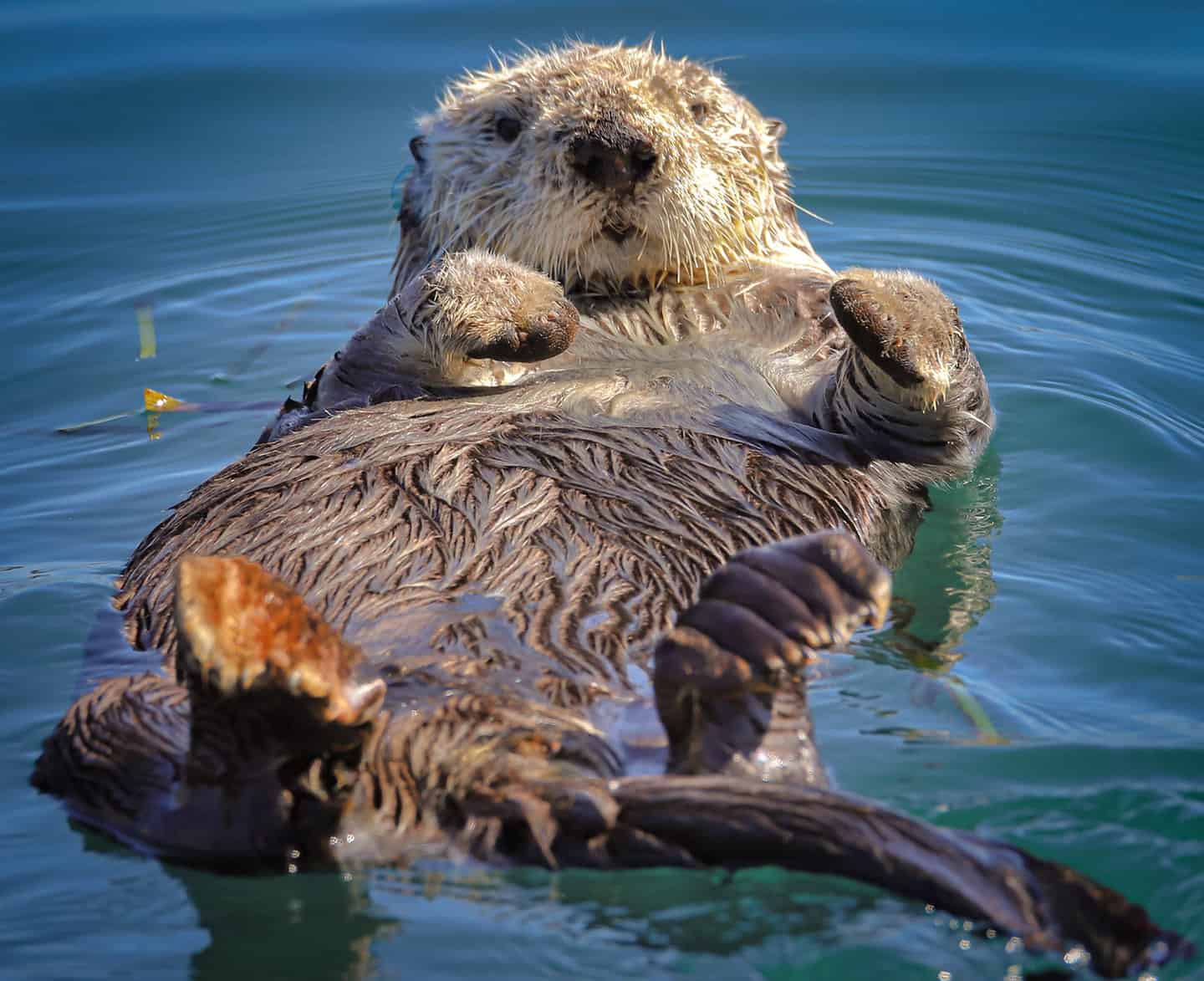
Sea otters, harbor seals, and seabirds fill in the rest of the picture, making even a tour without whale sightings an engaging hour on the water.
Where Whale Tours Depart
Old Fisherman’s Wharf has been a departure point for Monterey Bay whale watch tours for decades, and its advantages are practical as much as atmospheric. The surrounding neighborhood is dense with restaurants, shops, and the kind of ambient harbor energy that makes waiting around before boarding genuinely pleasant. Parking is available in the area, though it fills on weekends and during peak summer months. Arriving at least 30 to 45 minutes before your tour time gives you room to find a spot, get oriented, and board without rushing. The Wharf also puts you directly adjacent to Cannery Row and the Monterey Bay Aquarium, making it straightforward to build a full land-and-sea day without ever moving your car.
Moss Landing sits on the northern arc of the bay, where the Elkhorn Slough meets the shoreline and commercial fishing boats occupy the same docks as whale watching vessels. The proximity to the canyons upper reaches means some operators based here spend less time in transit and more time in wildlife-dense water. The atmosphere is less polished than Monterey’s waterfront: corrugated metal buildings, fishing nets, the salt-and-diesel smell of a real working harbor. That’s part of its draw. If you want to pair a whale watching departure with a kayak tour of Elkhorn Slough or a seafood lunch at one of the no-frills spots that cater to locals rather than visitors, Moss Landing delivers.
Choosing Whale Watching Tour
The operator you choose shapes the experience as much as the season does. A few qualities are worth prioritizing above all else: look for companies that carry trained naturalists or marine biologists aboard to provide narration and context, that follow established responsible viewing protocols, and that have been operating consistently in the Monterey Bay long enough to know whale watching guidelines that include maintaining at least 300 feet of distance from whales and avoiding maneuvers that cause animals to change direction or speed. Any operator worth booking follows these rules without exception.
Monterey Bay Whale Watch is one of the bay’s most respected operators, known for naturalist-led trips with a strong scientific emphasis and a long track record of finding animals. They depart from Monterey Wharf and publish detailed trip reports that give you a real sense of recent sighting conditions before you book.
Sanctuary Cruises operates out of Moss Landing, with a focus on responsible wildlife viewing and educational narration. Their positioning near the canyon edge has made them a consistent performer for blue whale sightings during peak season.
Princess Monterey Whale Watching runs larger vessels with enclosed cabin space, making them a practical choice for families, first-timers, and anyone who prefers the option of an interior seat out of the wind. They depart from Old Fisherman’s Wharf.
Beyond these three, the bay supports additional well-regarded operators including Discovery Whale Watch, Chris’ Fishing and Whale Watching, and Fast Raft Ocean Safaris, which offers a smaller-group, high-speed inflatable experience for those who want direct, exposed contact with the open bay. The right choice depends on your group’s size, comfort level, and appetite for intensity.
What to Expect on the Water
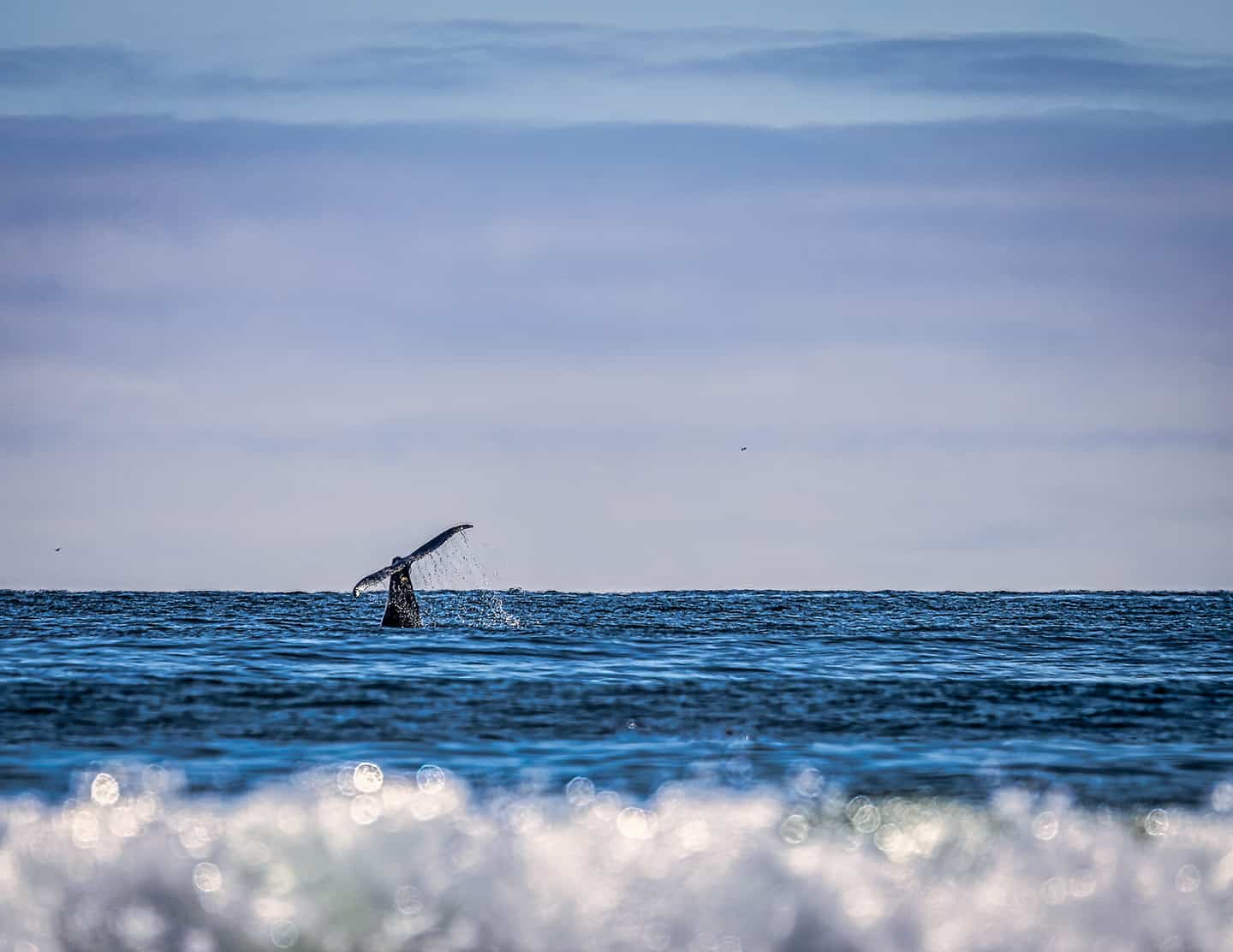
Boarding a whale watching vessel in Monterey Bay, you will typically find the crew in a focused but relaxed mode, scanning the horizon for the telltale column of mist that marks a whale’s exhale before the boat has even cleared the harbor. The naturalist on board will orient the group: what species have been seen recently, where the boat is headed, what signs to watch for, and how to call out a sighting so the whole boat can benefit. The transit from harbor to productive water takes anywhere from 15 minutes to an hour depending on where animals have been located, and to travel time is itself worth watching: dolphins often ride the bow wake, and sea otters float in the kelp beds just outside the harbor in numbers that stop people mid-sentence!
Once wildlife is found, the captain will maneuver the boat to a respectful viewing position and hold station while the naturalist narrates. Encounters can last minutes or much longer, depending on what the animals are doing. A feeding humpback may stay in one area for an extended stretch while a traveling gray whale may move steadily and require the boat to reposition several times. Sea conditions shift throughout a tour; what starts as a glassy-smooth morning can develop into a brisk, choppy afternoon as wind bulbs, so dress for the rougher scenario regardless of how things look at the dock. The bow offers a dramatic viewing angle but amplifies motion. Mid-ship, lower on the vessel, tends to feel more grounded in variable conditions.
What to Wear and What to Bring
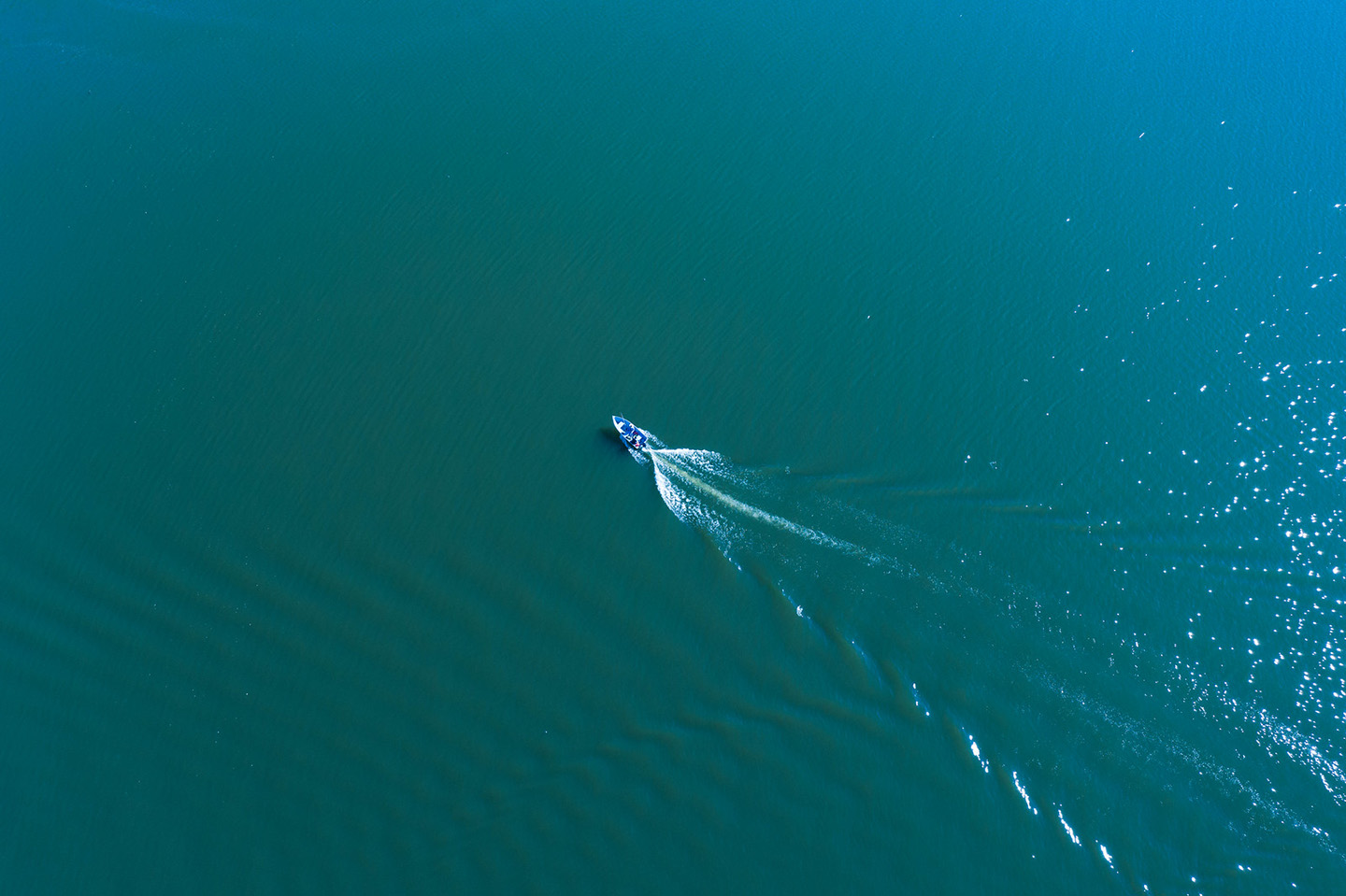
Dressing for a Monterey Bay whale watching trip requires thinking past the weather at the dock. Once you are a few miles offshore, exposed to wind and ocean spray, a 54-degree morning that felt comfortable on land can feel genuinely raw. The single most impactful item in your bag is a windproof outer layer: not just a fleece or a light jacket, but something that cuts the wind entirely. Below it, layer for flexibility with a base layer, an insulating mid-layer, and that wind-blocking shell on top. Bring the layers even if the forecast looks warm. Other items to pack:
- Hat and sunglasses: Glare off the open water is intense even under fog and marine layer. A hat with a brim keeps both sun and spray out of your eyes.
- Sunscreen: Apply before you board. The combination of reflected water and wind makes it easy to burn without realizing it.
- Binoculars: Worth every ounce of bag space, particularly for kids and first-timers who want to close the distance between themselves and a distant bow.
- A secure phone setup: A lanyard, a tight pocket, or a clip keeps our device safe when the boat pitches unexpectedly. Spray happens!
- Water and light snacks: Staying hydrated on the water matters more than most people expect, and a small snack helps buffer against motion sensitivity.
Motion Sensitivity Tips
Seasickness is real, it is common, and it is almost entirely manageable with some preparation, which means there’s no reason to skip a whale watching tour out of anxiety about it. The most effective approach is to treat it prophylactically rather than reactively: if you are prone to motion sensitivity, take your preferred medication 30 to 60 minutes before boarding, not after symptoms begin. Over-the-counter antihistamine-based options like Bonine (meclizine) or Dramamine are widely used. (Bonine is generally considered less sedating.) For those who prefer non-pharmaceutical options, ginger tablets taken before boarding and acupressure wristbands (sold under the Sea-Band brand) might help with symptoms.
Beyond medication, a few behavioral adjustments make a significant difference. Eat a light meal rather than something heavy before departure; an empty stomach and an overfull one are both more prone to trouble than a settled, moderate one. Once aboard, keep your gaze on the horizon rather than on your phone, a book, or the deck. Your inner ear and your eyes need to agree on what’s moving. Position yourself mid-ship or toward the stern rather than the bow, where pitch is most pronounced. Fresh air consistently outperforms below-deck cabin time for people who feel queasy. And morning departures, with their characteristically calmer seas, simply give your body less to reckon with.
Shore Based Whale Watching
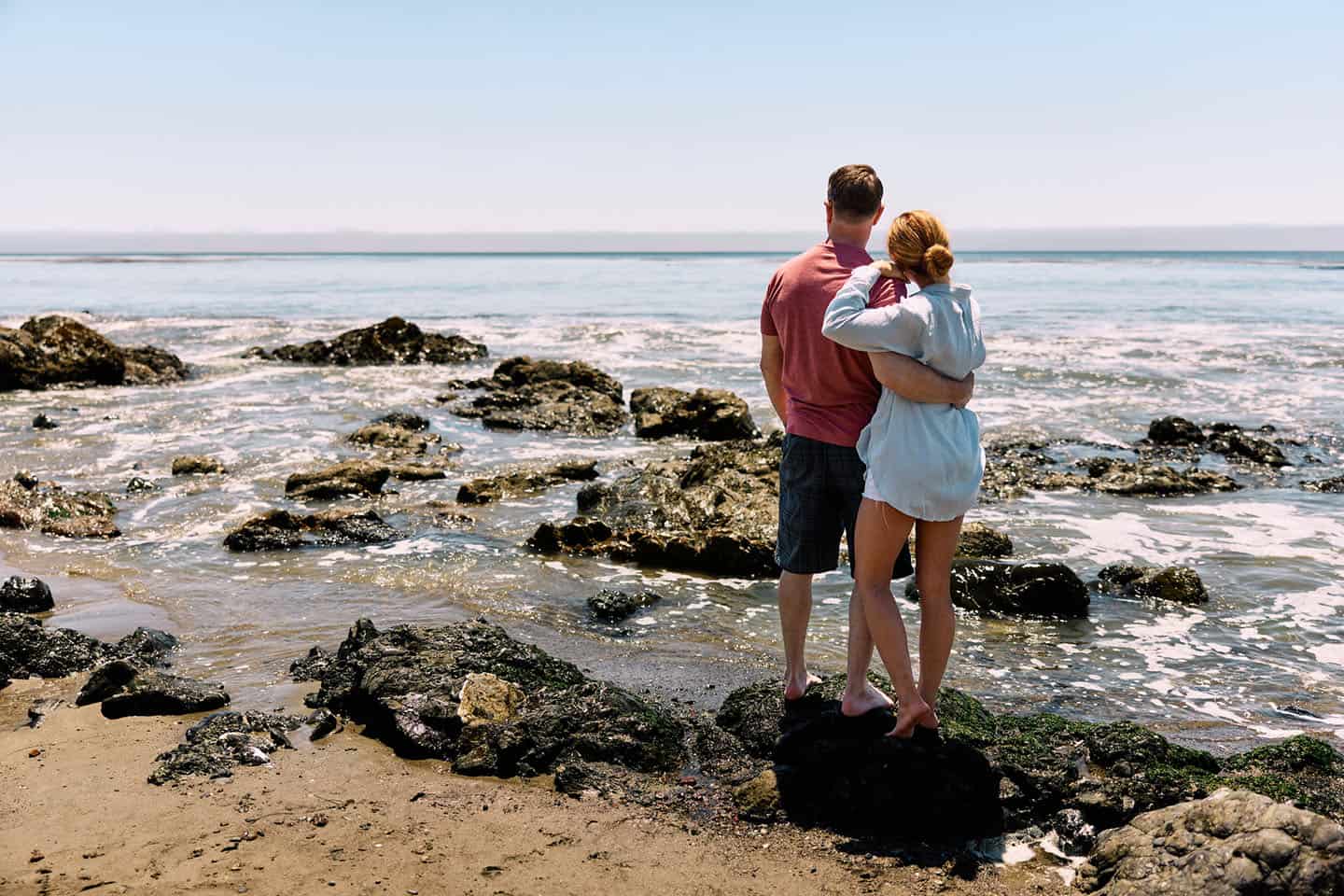
A boat tour is the highest-probability route to a close encounter, but whales are sometimes visible from land, and shore-based watching carries a particular unhurried quality that suits certain visitors more than a tour. During peak gray whale migration in winter and early spring, and during humpback season when feeding activity pulls animals close to the canyon’s shelf, patient observers at coastal overlooks can be rewarded with distant blows, dorsal fins, and occasionally the full arc of a fluke. Point Pinos in Pacific Grove and the bluffs above Carmel are worth scanning on calm-visibility days. The Monterey Bay Coastal Recreation Trail, which runs along the water for several miles, is well-positioned for casual scanning while on foot.
The key is pairing shore watching with an activity you would want to do regardless of whether whales appear, rather than treating it as a destination unto itself. Walk the trail, sit on the seawall with a coffee, or browse the tidepools, always keeping one eye on the water. Sightings are genuinely possible, particularly during migration windows, but the shore experience rewards patience and a loose agenda over focused searching. Driving along the coast in pursuit of a distant blow is not recommended. Pull over, stay put, and let the bay come to you.
Kid Friendly and First Timer Tips
A whale watching tour is, for many children, the most thrilling outdoor experience of a California coastal trip — and with a little preparation, it is also among the most manageable. Larger vessels with enclosed cabin space are the practical choice for families: indoor seating, accessible restrooms, and a space to retreat from wind and spray make a three-to-four-hour trip feel significantly shorter for younger kids. Operators like Princess Monterey, with their larger boats and sheltered interiors, are well-suited to families for exactly this reason.
Give kids a job. A “spotting game” focused on specific targets — a blow (the exhale mist), a dorsal fin breaking the surface, a fluke rising before a dive — turns the waiting into active participation rather than passive endurance. Bring their own binoculars if you have them; holding the tool makes them invested in using it. Snacks are essential: hunger and motion sensitivity combine unpredictably, and a steady supply of crackers or pretzels keeps both at bay. Set honest, positive expectations in advance: the goal is to find wild animals in their actual habitat, and the search itself, with all its suspense and sudden rewards, is the point. A tour with one brief sighting and three hours of open ocean often produces more vivid memories than a zoo visit with guaranteed viewing.
After the Tour: Where to Walk and Eat
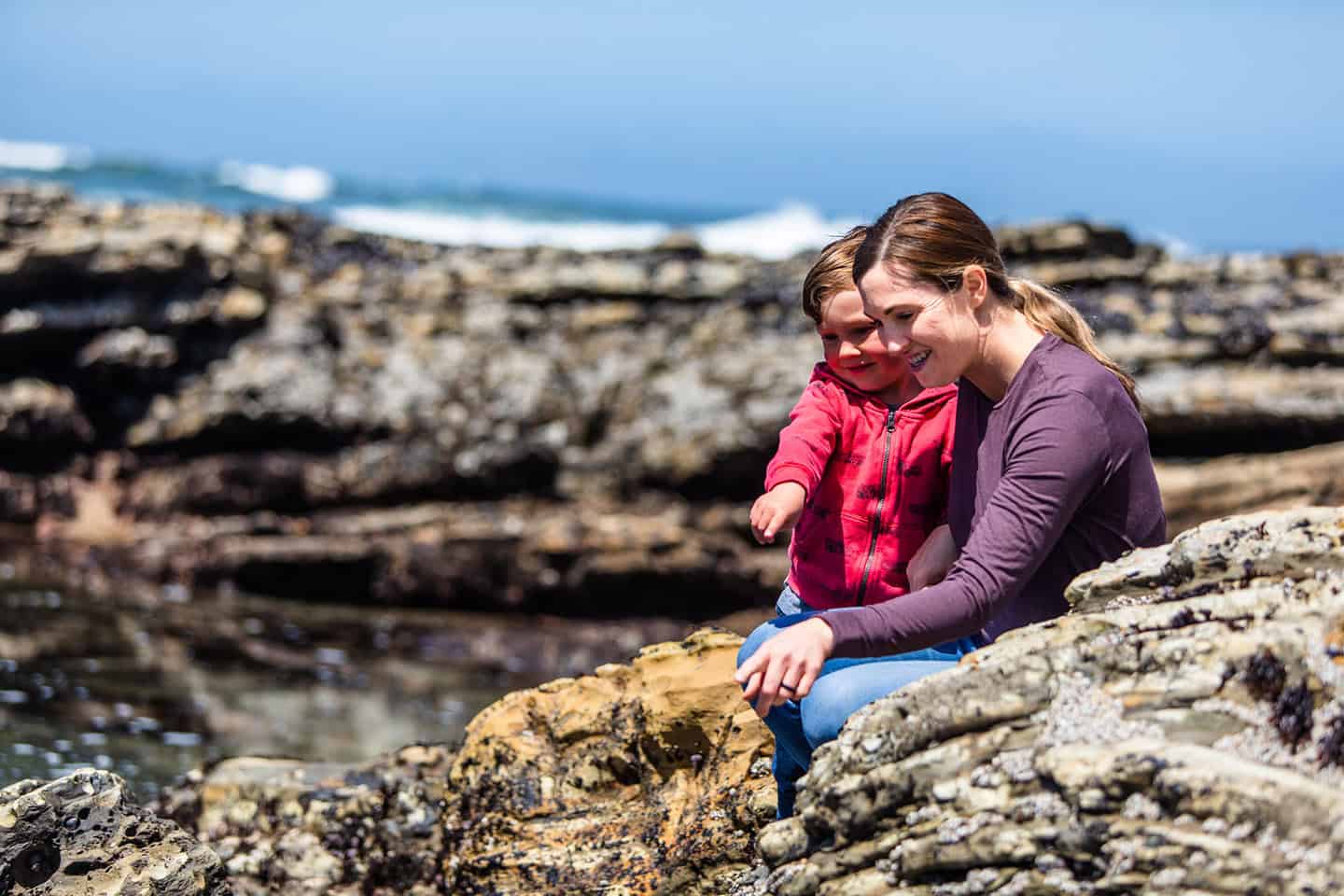
One of the quieter logistical victories of a Monterey whale watching day is that you almost certainly return to shore hungry, energized, and already parked in a neighborhood that has everything you need. Old Fisherman’s Wharf and the Cannery Row area offer dense clusters of seafood restaurants, casual waterfront spots, and enough variety that no group needs to negotiate too hard about where to go. Clam chowder in a sourdough bowl is the local default for good reason; fish tacos, fresh dungeness crab (in season), and grilled local catches fill out the options. For a more relaxed post-tour rhythm, the Monterey Road Trip guide covers the full landscape of things to do in the area, from the aquarium to the Path of History, so you can keep moving without backtracking or re-parking. If your legs want more after lunch, the Coastal Recreation Trail stretches along the shoreline with easy walking and continued bay views — the same water you were just on, now seen from a different and grounding perspective.
Monterey Bay National Marine Sanctuary
The waters of Monterey Bay are federally protected as part of the Monterey Bay National Marine Sanctuary, one of the largest and most biologically diverse marine protected areas in the United States. The designation covers more than 6,000 square miles of ocean, encompassing not just Monterey Bay proper but a sweeping arc of coastline from San Francisco south toward Cambria. The protection means the canyon ecosystem, the kelp forests, the seabird colonies, and the marine mammals that make whale watching here so consistently productive are afforded meaningful regulatory safeguards against the most damaging forms of industrial and commercial disruption.
For visitors, the sanctuary designation is most practically relevant in how it shapes responsible wildlife viewing standards. The sanctuary publishes and enforces guidelines that require vessels to keep a minimum distance of 300 feet from whales and other marine mammals, to avoid approaches that alter animal behavior, and to reduce speed and noise when wildlife is nearby. Choosing an operator who treats these guidelines as a baseline rather than a bureaucratic inconvenience is itself an act of conservation-minded travel — one that contributes to the long-term health of the very ecosystem that makes this experience possible. The sanctuary’s visitor center in downtown Monterey is worth a stop for context on the region’s ecological significance, and it’s free.
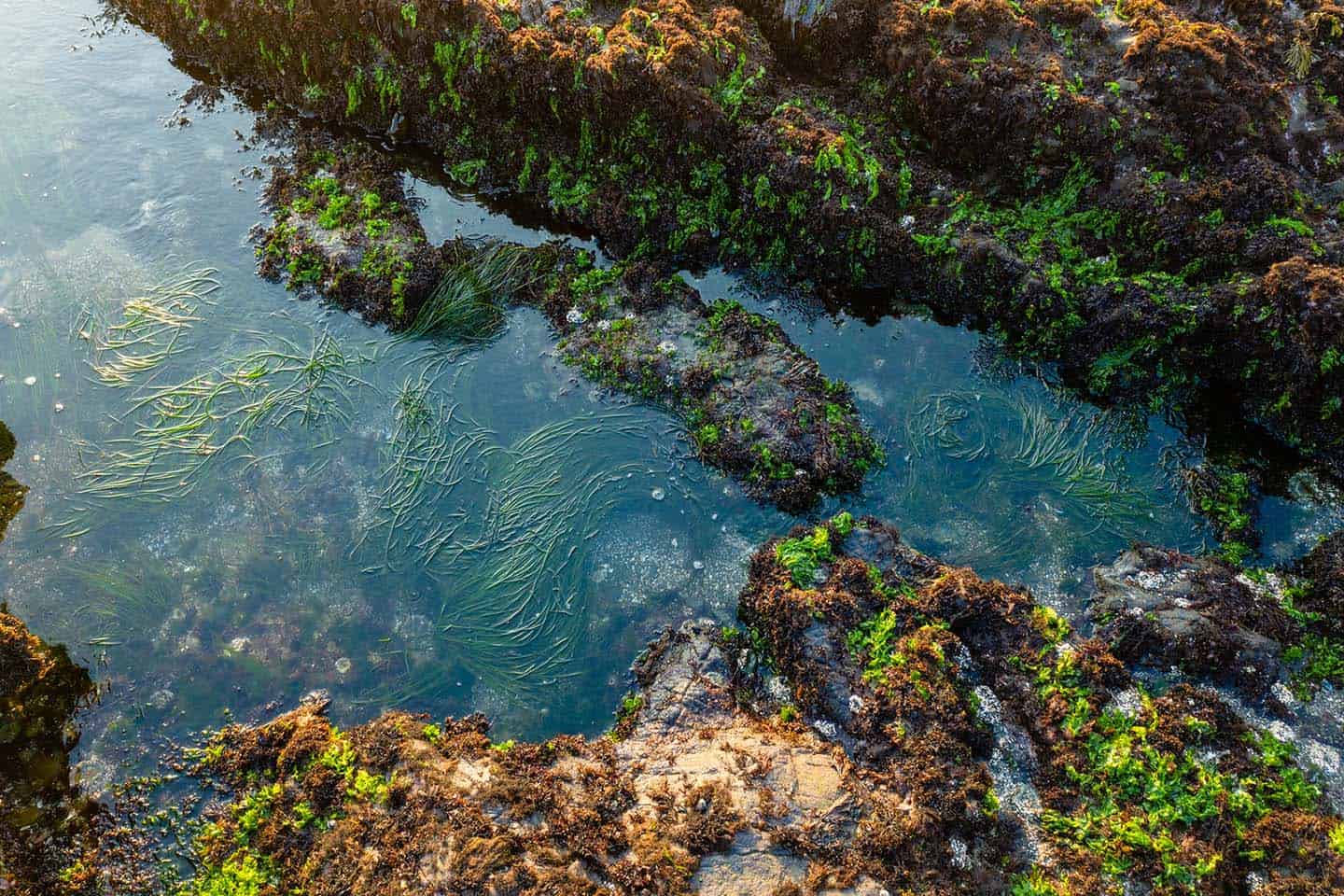
Extend the Trip South
Monterey is a spectacular starting point, but the Highway 1 corridor stretching south through Big Sur and into the quieter towns beyond offers its own layered richness — and considerably less company. From Monterey, the road climbs almost immediately into the dramatic landscape of Big Sur, where cliffs drop hundreds of feet to the sea and the human infrastructure thins to almost nothing for long stretches. This is not a section of highway you drive passively; it demands attention and rewards it. Pull-outs along the Big Sur coast offer elevated ocean views that, during migration seasons, can reveal whale spouts from surprising distances.
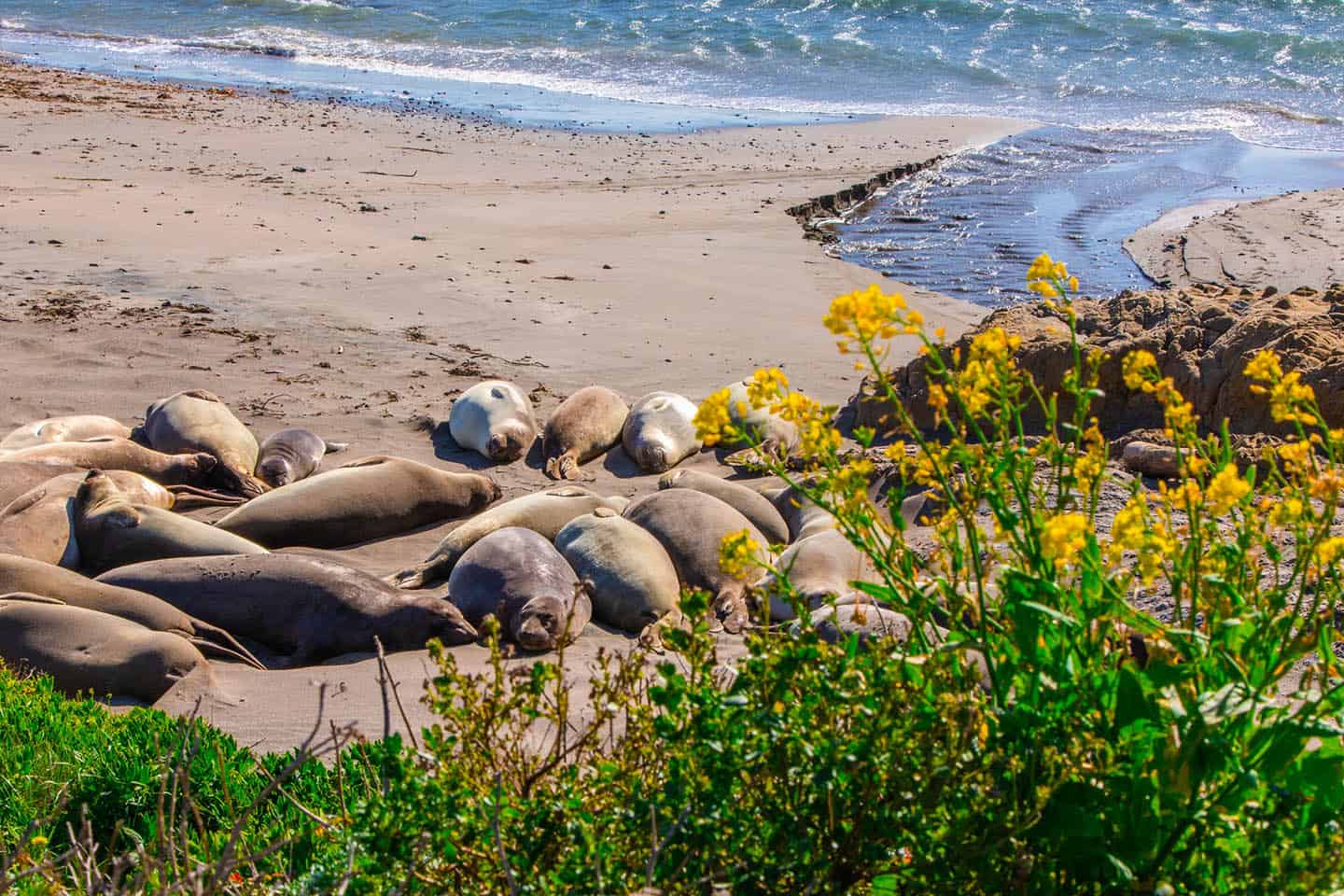
The transition from Big Sur into southern territory happens gradually, with Ragged Point serving as a natural psychological inflection — the point where the intense drama of the Big Sur cliffs softens into the Gateway to Big Sur and the character of the coast begins to open up. South of Ragged Point, San Simeon offers one of the coast’s most unexpected wildlife encounters: a beach-level elephant seal rookery where hundreds of animals haul out, vocalize, and conduct their enormous lives at close range, with no boat required. From there, Cambria, Cayucos, and Morro Bay each carry their own distinct identity and their own shoreline wildlife rhythms. Families traveling the corridor will find the stretch south of Monterey significantly less congested and, in many ways, more deeply California than the busy tourist infrastructure of the north. The whales, the harbor seals, and the shorebirds do not thin out as you drive south. The crowds do.

Stewardship Travel for Good
Whale watching in Monterey Bay is, at its best, a form of direct ecological engagement — an experience that builds the kind of specific, personal connection to wild animals that motivates long-term conservation support. Getting there responsibly means making a few deliberate choices before, during, and after the tour.
On the water: Choose operators who follow NOAA and sanctuary guidelines without exception. The 300-foot distance rule exists because close approaches, even well-intentioned ones, can disrupt feeding, nursing, and resting behavior that animals cannot easily recover. If the boat you are on makes an approach that seems too close or too aggressive, it is entirely appropriate to say something to the crew.
Drones and wildlife: Recreational drones are prohibited over marine mammals within the National Marine Sanctuary. Beyond the legal restriction, low-altitude flights over whales and sea otters cause measurable stress responses. Leave the drone in the bag, or on shore.
On land: Pack out everything you bring to the beach or the overlooks. Secured food and trash means less habituation by gulls, ravens, and other opportunistic wildlife that can create problematic dynamics when fed by human waste. Keep dogs leashed at overlooks and beach access points where shorebirds and sea mammals are present.
The long game: Stewardship travel along Highway 1 means treating the coast as a place you are responsible for, not just a backdrop to photograph. How visitors behave on these shores in aggregate determines what the coast looks like for the next generation of travelers, and for the animals that live here year-round.
FAQ
What is the best time of year for whale watching in Monterey Bay?
There is no universally “best” month — different species peak at different times, so the right answer depends on what you most want to see. Gray whales migrate through December through April; humpbacks are most reliably present from April through November; blue whales peak from July through October in strong upwelling years. If you want the highest probability of multiple species in a single outing, late spring into summer tends to deliver the broadest variety.
How long do Monterey whale watching tours take?
Most standard tours run three to four hours from check-in to return. Some operators offer shorter two-hour tours and longer half-day options. Budget the full four-hour window to avoid feeling rushed, and confirm the duration directly with your operator when booking.
Where do whale watching boats leave from in Monterey?
The two primary departure points are Old Fisherman’s Wharf in downtown Monterey and Moss Landing Harbor, roughly 25 miles north along the bay. Several operators work out of the Wharf; Sanctuary Cruises is among the most prominent Moss Landing-based operators.
Is Moss Landing better than Monterey for whale watching?
Neither is categorically superior. Moss Landing’s position closer to the canyon’s northern edge can mean shorter transit times to active feeding areas, which some operators favor for efficiency. Old Fisherman’s Wharf offers a more integrated day-trip experience for visitors who want to combine the tour with the broader Monterey waterfront. Sighting quality depends on conditions and season, not departure point.
What should I wear while whale watching in Monterey Bay?
A windproof outer layer is the most important item, even on warm days. Add layers underneath — a mid-layer fleece or insulating jacket, and a base layer. Hat, sunglasses, and sunscreen round out the essentials. Dress for the conditions you might encounter offshore, not the conditions at the dock.
How do I prevent seasickness on a whale watching tour?
Take over-the-counter motion sickness medication (Bonine or non-drowsy Dramamine) 30 to 60 minutes before boarding. Stay on deck with your eyes on the horizon, position yourself mid-ship, eat a light meal beforehand, and stay hydrated. Morning departures typically mean calmer seas, which helps considerably. Ginger tablets and pressure-point wristbands (Sea-Bands) are effective non-pharmaceutical options for many people.
Can you see whales from shore in Monterey?
Yes, particularly during gray whale migration in winter and spring, and during humpback season when feeding activity concentrates animals near the canyon shelf. Point Pinos in Pacific Grove and the bluffs above Carmel are reliable scanning spots. Sightings are never guaranteed from shore, but patient observers during migration windows are often rewarded.
Are whale watching tours kid-friendly?
They can be highly suitable for families with the right preparation. Choose larger vessels with enclosed cabin space and accessible restrooms; book morning departures for calmer conditions; bring snacks, layers, and a spotting game to keep kids actively engaged. Set realistic expectations: wild animals on their own schedule, in their own habitat, are the entire point — and for most children, that genuine wildness is exactly what makes the experience memorable.
What makes whale watching “responsible”?
Responsible whale watching means choosing operators who maintain sanctuary-mandated distances (at least 300 feet from whales), carry trained naturalists, follow NOAA guidelines, and treat wildlife encounters as a privilege rather than a performance. It also means personal choices: no drones over marine mammals, no wildlife feeding, no harassment of animals — and supporting the marine sanctuary through the kind of attentive, leave-no-trace behavior that keeps these waters worth coming back to.
Plan it, then go!
Monterey Bay whale watching delivers reliably, repeatedly, and across a full calendar of seasons because the submarine canyon’s upwelling creates a genuinely exceptional feeding ground that wild animals return to year after year. Come with the right timing, the right layers, and a flexible spirit about what the ocean decides to show you on any given day, and the experience rarely disappoints. Book an operator you trust, arrive early enough to board without stress, and let the naturalist do the work of finding animals while you take in the scale of the bay.
And when the tour ends and you are back on the wharf with salt in your hair and a few hours of afternoon left, consider pointing the car south. Big Sur, Ragged Point, and the quieter coastal towns of the Highway 1 corridor are waiting — less crowded, equally wild, and full of their own offshore surprises.